


Electric scooters are everywhere in American cities. They are cheap, convenient, and quick. But when accidents happen, figuring out who is responsible can get complicated fast.
Electric Scooter Accidents Are More Common Than Most People Think.
The numbers are hard to ignore. A study published in JAMA Surgery found that U.S. emergency departments treated over 39,000 e-scooter injuries in just two years.
According to the Consumer Product Safety Commission, scooter-related injuries have risen sharply since 2018.
In cities like Los Angeles and Austin, where shared scooter programs are widespread, injuries involving scooters account for a growing share of urban road incidents.
Who Can Be Held Liable After An E-Scooter Accident?
Liability depends on how the accident happened and who was involved. There is rarely just one party at fault.
The rider is often the first person scrutinized. If they were speeding, riding on a sidewalk where it is prohibited, or under the influence, they may bear most of the responsibility.
The scooter company (like Lime or Bird) could be liable if a mechanical defect or poor maintenance caused the accident. Most rental agreements try to limit this liability, but courts do not always uphold those terms.
A third-party driver may be fully at fault if a car strikes the scooter rider. In that case, the driver’s auto insurance is typically the first source of compensation.
The city or property owner can also be responsible if a pothole, broken curb, or poor road design contributed to the fall.
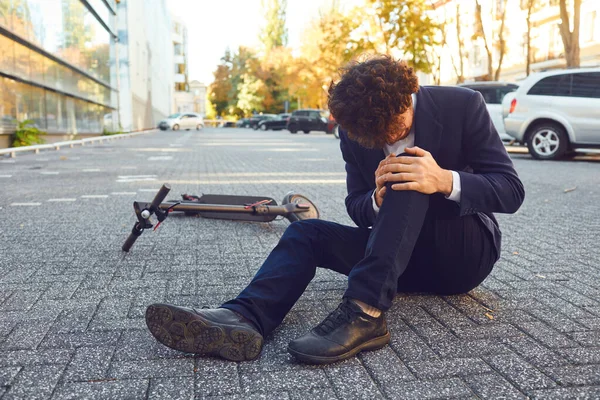
Most Scooter Rental Agreements Shift Risk Onto The Rider.
Before you unlock a scooter, you agree to the terms of the service contract. Buried in that agreement is almost always a liability waiver. These waivers attempt to release the company from responsibility for injuries, even if the scooter malfunctions.
However, waivers are not bulletproof. If a company were grossly negligent, say, they continued renting a scooter with a known brake defect, a waiver may not protect them in court.
Insurance Coverage For E-Scooter Accidents Is Often Unclear.
This is where most injured riders run into trouble. Standard auto insurance policies in the U.S. typically do not cover e-scooters. Homeowner’s or renter’s insurance may cover injuries, but only in limited circumstances.
Some scooter companies offer limited injury protection built into the ride cost, but the coverage caps are low, and claims are not always straightforward.
If you were hit by a car while riding, the driver’s liability insurance would typically apply. In hit-and-run cases, your own uninsured motorist coverage (if you have it) may be your only option.
Steps To Take Right After An E-Scooter Accident.
Acting quickly protects your ability to make a claim later. Here are the steps you should take right after an e-scooter accident.
- Call 911 and get a police report filed.
- Photograph the scooter, road conditions, and any visible injuries.
- Get contact information from witnesses.
- Do not move the scooter if possible. Preserve the evidence.
- Seek medical attention even if you feel fine.
Injured Riders Often Have More Legal Options Than They Realize.
A personal injury attorney with experience in e-scooter cases can help identify every liable party: the company, the city, a negligent driver, or all three.
Given that nearly 1 in 3 e-scooter injuries involves a collision with a motor vehicle (per the CDC), the legal picture is rarely simple. The key is not to assume you have no case.
Liability in scooter accidents is genuinely shared in many situations, and compensation may be available through multiple channels.